San Diego’s
“Frozen Zoo”
By: Janet Rodriguez
 |
| Tubes in which skin cells are kept |
For years many animals have
been extinct, or on the border of being extinct, thanks to the humans species.
Human Kind is very ambitious and selfish, thanks to this many other species
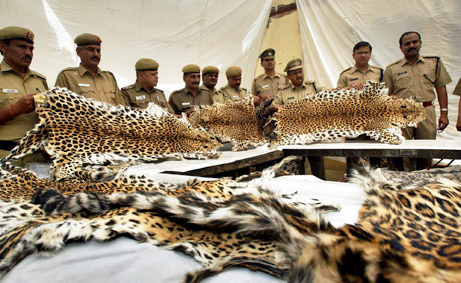
have suffered the consequences. Animals are often hunted down by poachers for
their unique characteristics. Elephants are often killed for their tusks,
tigers for their fur and Rhinos for their horns. Many groups of people and
organizations have started to take action in stopping this issue, one of them
is the San Diego Zoo.
 |
| Consequences of poaching |
The San Diego Zoo in California has been working on a
project since 1972, to try to help these animals and many others from becoming
permanently extinct. The Zoo began to collect skin samples from rare animals in
1972, scientist hoped that these animals would be protected in the future were
science would be more advanced. They made a good choice in doing so because
that stem-cell technology is getting closer. The Frozen Zoo has more than 8,400
animal skin cells that represent more than 800 different species. The skin
cells are kept in deep freezers (metal boxes filled with liquid nitrogen) with
temperatures of -280 degrees Fahrenheit. The San Diego Zoo is not working alone
on this project, Scripps Research Institute have been taking skin cell
 samples
from the Frozen Zoo and turning them into stem cells. Stem cells as you may
know, are undifferentiated cells in an organism that can change into other
kinds of cells, like blood cells, skin cells, etc. After turning them to stem
cells, they can be converted into sperm or egg cells. These cells could then be
used to form an embryo and allow reproduction to occur. The Frozen Zoo will
help us keep our interaction with animals and allow us to have the privilege of
experiencing nature more effectively. Many people would like to see rare
animals, making the San Diego Zoo really popular and busy. The Frozen Zoo would
bring more money into the country, because not only will Americans come see the
animals but so will other interested people all over the world.
samples
from the Frozen Zoo and turning them into stem cells. Stem cells as you may
know, are undifferentiated cells in an organism that can change into other
kinds of cells, like blood cells, skin cells, etc. After turning them to stem
cells, they can be converted into sperm or egg cells. These cells could then be
used to form an embryo and allow reproduction to occur. The Frozen Zoo will
help us keep our interaction with animals and allow us to have the privilege of
experiencing nature more effectively. Many people would like to see rare
animals, making the San Diego Zoo really popular and busy. The Frozen Zoo would
bring more money into the country, because not only will Americans come see the
animals but so will other interested people all over the world. 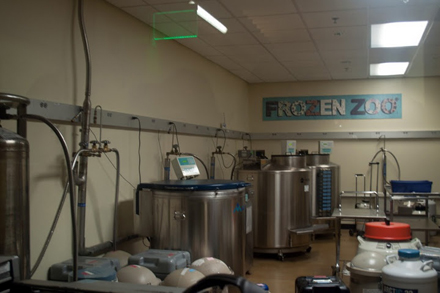 |
| Where the Skin Cell tubes are kept |
The Frozen Zoo
has already made an impact on society. Many endangered animal have been relocated
into the zoo for protection. The Zoo also has skin cells from already extinct
birds, which allows them to be studied and help scientist gain more
information. From these skin cells they can see what might have led to their
extinction and help prevent other species from becoming extinct. The Frozen Zoo
can also help animal species from becoming permanently extinct in the future.
There are however some side-effects to this project, which many people use to
stop this certain project. The Frozen Zoo tries their best to help out animals
from extinction, but many argue that though they could recreate animals they
can’t stop poachers from hunting them down. Another side-effect is that this
type of technology requires a little bit more time, they’re still trying to
come up with the best way to reproduce the animals. So this project may still
require a little bit more time, but as genetic technology advances so will the
project.
For more information watch the video below:
Sources:
http://www.sandiegozooglobal.org/what_we_do_banking_genetic_resources/frozen_zoo/
http://recode.net/2014/02/13/to-preserve-and-protect-how-a-frozen-zoo-is-helping-to-save-endangered-species/

No comments:
Post a Comment